%2Ffit-in%2F250x250%2Fguide_websites%2F132086%2Fimages%2F17768161966501000000043-removebg-preview.png&w=1920&q=100)
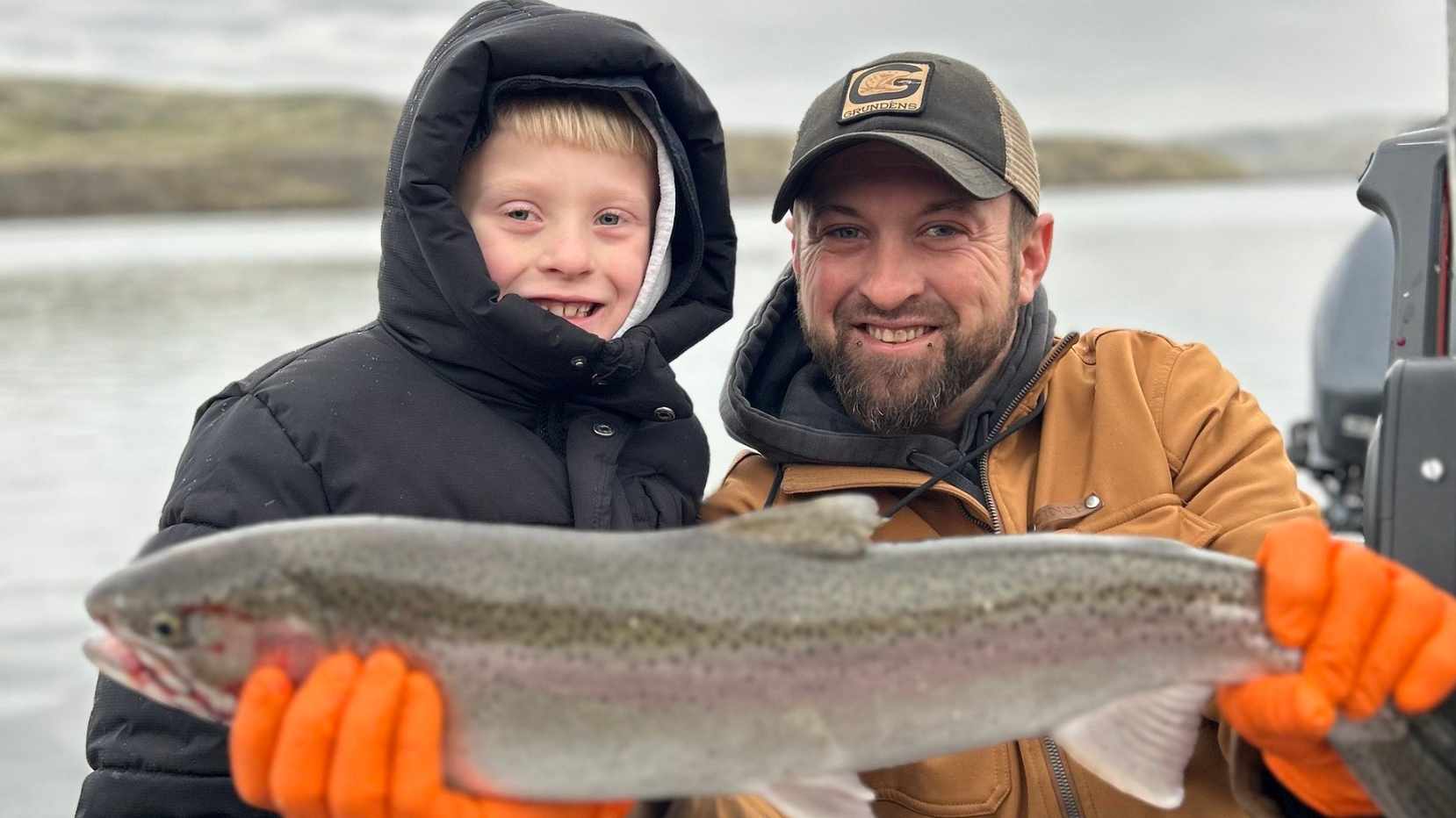
Chinook and Pink Salmon Catch in Dayton WA
Salmon Fishing on the Snake River - What to Expect
%2F%2Fusers%2Fb64f934a-d2e6-44b9-9ae8-cb7bd176d250%2Fimages%2Fdayton-salmon-fishing-triple-catch-2785.jpeg&w=1920&q=75)
Fishing Charter by Captain Leon Stafford in July
- Columbia River & Snake River Fishing Specialists


Summary
Join Captain Leon Stafford of Riverlife Guide Service for a salmon fishing charter on the Snake River in Dayton, WA. This Thursday in July offers the chance to pursue both Chinook and Pink salmon in prime conditions. Learn expert techniques and fish productive waters with a local guide dedicated to helping you understand salmon behavior and catch fish.
Salmon Fishing with Leon Stafford - Rates & Booking
Captain Leon Stafford of Riverlife Guide Service offers salmon fishing charters on the Snake River near Dayton, WA on Thursday, July 31st. This guided trip puts you on productive waters where both Chinook and Pink salmon are present and willing to strike. Contact Riverlife Guide Service to reserve your spot and discuss specific package details, including what gear and tackle are provided.
Leon brings deep local knowledge of the Snake River's salmon runs and understands how seasonal conditions affect fish behavior and location. His expertise helps anglers learn not just where to find fish, but why they're positioned in specific areas and how to present lures or bait effectively. Book your charter early to secure your preferred date and take advantage of peak salmon season.
Highlights of Snake River Salmon Fishing
The Snake River near Dayton offers excellent salmon fishing during peak runs. Anglers target both Chinook and Pink salmon, which migrate upriver and occupy different depths and current breaks depending on water conditions and time of day. The experience combines technical casting, reading water, and understanding how these powerful fish respond to different presentations.
Fishing the Snake River means working with current, structure, and seasonal salmon behavior. Whether you're new to salmon fishing or refining your technique, Captain Leon's guidance helps you understand what these fish are looking for and how to improve your success rate throughout the day.
Local Species Insights: Chinook and Pink Salmon
Chinook salmon, also called King salmon, are the largest Pacific salmon species and are highly prized by anglers for their strength and size. These fish migrate upriver to spawn and exhibit aggressive feeding behavior during their run. Chinooks hold in deeper pools and current breaks, often positioning themselves where they can conserve energy while intercepting food drifting downstream. Understanding their habitat preference is key to consistent success.
Pink salmon are smaller than Chinooks but aggressive fighters known for explosive runs and acrobatic behavior. They arrive in the Snake River during specific seasonal windows and school in moderate depths. During peak abundance, Pink salmon provide outstanding action and are excellent targets for learning salmon fishing fundamentals. Their smaller size makes them accessible for anglers of all skill levels.
Both species respond to specific presentations depending on water clarity, flow rate, and light conditions. Chinooks often prefer larger, slower-moving lures or bait presentations in deeper water. Pink salmon may chase brightly colored spoons or small spinners. Part of the learning experience on any guided charter is understanding why Captain Leon selects certain techniques based on current conditions and the specific run you're fishing.
The Snake River's character changes with seasonal water flows. Spring snowmelt raises water levels and visibility, affecting how salmon position themselves and how they perceive lures. By mid-summer, clearer, lower water may require different presentation styles and timing. Local guides like Leon understand these dynamics and adjust strategy accordingly.
Plan Your Salmon Fishing Day
Salmon fishing charters typically run a half or full day depending on package selection. You'll spend time on the water targeting specific pools, runs, and current breaks where salmon hold during their upriver migration. Wear layers since morning conditions can be cool before the day warms. Waterproof gear is recommended due to the boat setting and potential splash.
Captain Leon provides guidance on technique, fish behavior, and location throughout your trip. Having a basic understanding of casting and rod handling helps, but absolute beginners are welcome and will learn progressively through the day. Bring sunscreen, sunglasses with polarized lenses to spot fish in the water, and any personal medications or snacks you prefer.
Fishing in Snake River: Pink Salmon and Chinook Salmon
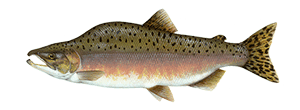
Pink Salmon Overview
The Pink Salmon (Oncorhynchus Gorbuscha) is a member of the Salmonidae family within the order Salmoniformes, making it part of one of the most prized fish families in the world. Also affectionately known as the Humpback Salmon, this species is the smallest yet most abundant of all Pacific Salmon. What sets them apart visually is their characteristic slight hump on their back—a feature that inspired their common name and makes them instantly recognizable to both seasoned anglers and newcomers to the sport. These fish are also notable for their large black oval spots covering their back and tail fins, as well as their deep forked tail structure. Unlike many salmon species, Pink Salmon lack teeth on their tongues, a unique adaptation that distinguishes them from their cousins. Whether you're fishing in pristine Alaska waters or exploring salmon runs across the Pacific Northwest, the Pink Salmon remains one of the most accessible and rewarding species to pursue.
Pink Salmon Habitat and Distribution
Pink Salmon are native to Pacific and Arctic coastal waters and rivers throughout North America and Asia, thriving in environments where cold, clean water flows freely. These fish are particularly abundant in rivers and streams, though they also inhabit creeks, lakes, and sea basins. They prefer water temperatures hovering around 10 degrees Celsius, which is why they're predominantly found in northern latitudes where such conditions persist year-round. The species follows a fascinating anadromous migration pattern, spending much of their lives in the ocean before returning to freshwater systems to spawn. Major populations can be found in Alaska, British Columbia, Washington State, and along the coasts of Japan and Russia. In freshwater systems, look for them in clear, fast-moving rivers with gravel bottoms—the ideal spawning substrate. Coastal onshore areas, particularly near river mouths and estuaries, are prime locations to encounter these fish during their runs.
Pink Salmon Size and Weight
Pink Salmon are notably smaller than their Pacific Salmon relatives, typically weighing between 3 to 5 pounds and measuring 20 to 30 inches in length. The average Pink Salmon encountered during typical fishing adventures weighs around 4.8 pounds, making them an ideal target for anglers of all skill levels. While most catches fall within this range, exceptional specimens have been recorded reaching up to 30 inches and weighing approximately 15 pounds—a remarkable size that makes for an unforgettable trophy. Their relatively modest size compared to Chinook or Coho Salmon doesn't diminish their fighting ability; in fact, pound-for-pound, Pink Salmon are known for their spirited resistance and acrobatic leaps, making them exciting to hook and land.
Pink Salmon Diet and Behavior
Pink Salmon are opportunistic feeders with a diet that shifts based on their life stage and environment. In their oceanic phase, they primarily consume plankton, which forms the foundation of their diet and contributes to their distinctive pink coloring—the crustaceans they eat contain natural pigments that stain their flesh pink. As they grow and mature, their palate expands to include smaller fish, squid, and occasionally aquatic insects. This diverse diet makes them responsive to a wide variety of lures and baits. During their spawning migration upstream, their feeding behavior diminishes considerably as they focus their energy on reproduction. In freshwater, they become less interested in food but remain aggressive toward artificial lures, likely due to territorial instincts rather than hunger. Their behavior is heavily influenced by their two-year life cycle, which is notably shorter than other Pacific Salmon species, creating predictable runs and abundant opportunities for anglers.
Pink Salmon Spawning and Seasonal Activity
Pink Salmon exhibit one of the most dramatic life cycles in the fish world, with a strictly two-year lifespan that creates highly predictable population cycles. Odd-year and even-year populations spawn in alternating years, which is why you'll notice Pink Salmon abundance fluctuates dramatically from year to year in many regions. Their spawning migration typically occurs in late summer through early fall, triggered by decreasing water temperatures and daylight hours. During their upstream migration, Pink Salmon undergo remarkable physical transformations: their sleek silver bodies develop deeper coloring, their distinctive hump becomes more pronounced, and their jaws become hooked. This transformation is so dramatic that some anglers barely recognize them as the same species they were months earlier in the ocean. Peak fishing season generally runs from July through September, coinciding with their upstream migration. Once they reach their spawning grounds—typically in clear, gravel-bottomed tributaries—they spawn and die, completing their life cycle.
Pink Salmon Techniques for Observation and Capture
Method 1: Casting with Artificial Lures
For casting, equip yourself with a medium-action rod paired with a reel capable of holding at least 150 yards of 8 to 10-pound test line. Brightly colored jigs are your best friends here—particularly pink jigs, which work on the theory that they mimic the appearance of crustaceans and fool the fish into striking. Many successful anglers enhance their jigs' attractiveness by smearing them with fish oil, herring oil, or squid oil before casting. The oils create a scent trail that draws Pink Salmon from considerable distances. Target deeper pools and current breaks in rivers, especially near the confluence of tributaries where fish rest during their upstream journey.
Method 2: Hoochie and Spoon Techniques
Pink hoochies—lures that resemble squid—are exceptionally effective, particularly in saltwater and nearshore environments. Pair these with a jigging motion to create a lifelike swimming action. Spoons in silver and pink finishes also produce excellent results, especially when worked near underwater structure. The flash and flutter of these lures appeal to the aggressive instincts of migrating salmon preparing to spawn.
Method 3: River Mouth and Estuary Fishing
Fish river mouths and estuaries during high tide when saltwater pushes upstream, concentrating the fish in predictable zones. Around popular Pacific Northwest fisheries, the confluence of major rivers with the ocean provides some of the most productive Pink Salmon fishing opportunities. Local guides in regions like Alaska and British Columbia often focus on these transition zones where freshwater meets salt water, as fish often pause here before committing fully to their upstream migration.
Pink Salmon are considered an excellent species for beginners—their abundance, aggressive feeding behavior, and willingness to strike lures make them perfect for anglers just starting to mimic professional techniques and gain confidence on the water.
Pink Salmon Culinary and Utilization Notes
Pink Salmon has earned its place as a beloved food fish, prized for its distinctive pink flesh and nutritional profile. The pink coloring comes directly from the carotenoid pigments in crustaceans they consume—eat the crustaceans, and you get the pigmented flesh. This fish is rich in omega-3 fatty acids, making it a heart-healthy protein choice, though those with elevated uric acid levels should consume it in moderation as it may contribute to gout. Culinary versatility is one of the Pink Salmon's greatest strengths: it can be smoked, baked, fried, or grilled with excellent results. Many chefs employ the poêle method, cooking the fish in its own juices to achieve a crispy exterior while maintaining a tender, moist interior. In Asian cuisines, Pink Salmon shines in multiple preparations—Japanese chefs serve it raw as sushi or nigiri (known as Sake), while Southeast Asian traditions feature it grilled or as part of Sinigang, a tangy tamarind soup typically containing vegetables like swamp cabbage, tomatoes, and eggplant. The belly is particularly prized for its concentrated omega-3 content and rich flavor, while Eastern culinary traditions often utilize the head for stocks and soups.
Pink Salmon Frequently Asked Questions
Q: What is the best bait and lure setup for catching Pink Salmon?
A: Brightly colored jigs—especially pink ones—enhanced with fish oil, herring oil, or squid oil are highly effective. Pink hoochies (squid-like lures) and silver or pink spoons also work well. Medium-action rods with 8 to 10-pound test reels are the standard setup. Live herring can be productive in certain situations, though artificial lures tend to outperform bait for Pink Salmon due to their aggressive nature during spawning runs.
Q: Where can I find Pink Salmon near major fishing destinations?
A: Pink Salmon are abundant throughout Alaska, British Columbia, and the Pacific Northwest. Look for them in river systems, particularly at river mouths and estuaries where freshwater meets salt water. Major rivers like the Chilkat, Taku, and Kenai in Alaska, plus countless British Columbia streams, experience significant runs. In Washington State, the Snoqualmie and Green Rivers provide excellent access. Timing your visit during July through September—peak spawning season—dramatically increases your success.
Q: Is Pink Salmon good to eat, and what's the healthiest way to prepare it?
A: Absolutely. Pink Salmon is excellent eating and an outstanding source of omega-3 fatty acids. For maximum health and flavor, consider baking, grilling, or the poêle method (cooking in its own juices for crispy skin). The belly portion contains the highest concentration of beneficial oils. However, those with gout or high uric acid should consume it in moderation. Raw preparations like sushi are safe if the fish has been properly handled and frozen according to food safety guidelines.
Q: When is the absolute best time to fish for Pink Salmon?
A: Late summer through early fall—typically July through September—marks peak season when fish are actively migrating upstream to spawn. Odd and even-year population cycles mean abundance varies by year, so check local fishing reports. Early morning and late evening typically provide the best action, as fish are less active and more cautious during bright midday hours.
Q: How do I identify a Pink Salmon from other salmon species?
A: Look for the distinctive slight hump on their back (particularly pronounced in spawning fish), large black oval spots on their back and tail, a deep forked tail, and their relatively small size compared to other Pacific Salmon. In spawning phase, their coloring shifts from bright silver to darker tones. An anal fin containing 13-17 soft rays is also a reliable identifier. If you're unsure, local fishing guides and marina staff can verify your catch immediately.
Q: Why do Pink Salmon populations vary so dramatically year to year?
A: Pink Salmon follow a strict two-year life cycle, and populations are segregated into odd-year and even-year runs. This means abundance alternates predictably between years. Some regions experience massive runs one year, followed by minimal populations the next year. This pattern is completely natural and makes salmon runs easier to predict—simply consult historical data for your target region to determine which year will offer the best fishing.
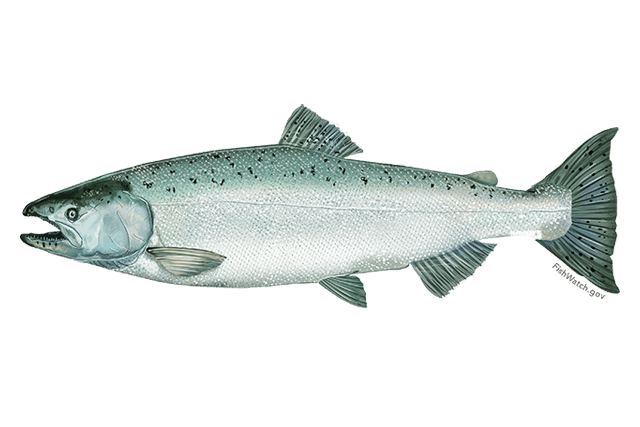
Chinook Salmon Overview
The Chinook Salmon (Oncorhynchus tshawytscha), commonly called King Salmon, is the largest and most prized member of the Salmonidae family within the order Salmoniformes. Known for their silver sides, vibrant blue-green backs, and distinctive black spots covering their heads, backs, tails, and fins—along with their characteristic black mouths and gums—these powerful fish are legendary among anglers and seafood enthusiasts alike. Found throughout the colder waters of the Pacific, from Alaska to Northern California and introduced populations in the Great Lakes, Chinook salmon represent one of the most exciting freshwater and saltwater angling experiences available. These fish are not just impressive fighters; they're also environmental indicators, leaving water bodies when habitat degradation occurs, making them invaluable to understanding ecosystem health in cities like Anchorage, Alaska.
Chinook Salmon Habitat and Distribution
Chinook salmon thrive in cold, clean waters and exhibit fascinating habitat preferences throughout their lifecycle. Young salmon spend their early years in freshwater streams and estuaries, often hiding among tree roots and other protective structures in cold, flowing water. As they mature, they migrate into the open ocean where nutrient-rich environments support their rapid growth and development. These fish are found naturally across the Pacific coast, ranging from Alaska and Western Canada south through Washington State, Oregon, Idaho, and Northern California. Beyond their native range, they've been successfully introduced to Japan, Russia, and the Great Lakes region of the United States. Key fishing destinations include Ship Creek in Anchorage, Alaska, and Lake Oahe in South Dakota, where populations support thriving recreational fisheries. Snow melt into lakes and streams creates ideal conditions for both young and spawning adults, making spring and early summer particularly productive seasons.
Chinook Salmon Size and Weight
Chinook salmon live up to their King Salmon nickname by growing to impressive sizes. Typically, these fish range from 30 to 59 inches in length and weigh between 10 to 50 pounds, with many specimens well into the trophy category. In their native habitats with abundant food sources and optimal conditions, individual fish can exceed 20 to 30 pounds routinely, with exceptional specimens pushing toward the upper weight ranges. The description notes that while typical fish measure 12 to 39 inches and weigh 7 to 15 pounds in many waters, the larger sizes documented here reflect the potential of well-fed populations in prime fishing grounds. This size variation depends heavily on habitat quality, food availability, and ocean conditions during their seawater phase, where they accumulate most of their bulk before returning to spawn.
Chinook Salmon Diet and Behavior
The dietary preferences of Chinook salmon change dramatically as they grow and migrate. Young salmon feed on plankton, aquatic insects, small fish, and invertebrates while inhabiting freshwater nurseries. Once they transition to ocean life, their diet expands significantly to include sand lance, pilchards, squid, herring, and various crustaceans—a nutritional abundance that drives their rapid growth and distinctive reddish-pink to orange meat coloration. Adult salmon demonstrate strong light sensitivity, typically remaining near the bottom of water columns during daylight hours and becoming more active during low-light periods. This behavior has significant implications for successful angling strategies. Males develop more intense coloring than females as they mature and prepare to spawn, and they also exhibit the distinctive hooked jaw and pronounced upper jaw that characterizes spawning males. Understanding these behavioral patterns is essential for timing your fishing efforts and selecting effective techniques.
Chinook Salmon Spawning or Seasonal Activity
Chinook salmon are anadromous fish, meaning they spend most of their adult lives in the ocean before returning to freshwater to reproduce. They reach sexual maturity between 2 to 7 years of age, at which point the spawning drive compels them to undertake remarkable migrations back to their natal streams. Females construct redds—gravelly nests built on the stream bottom—where they deposit their eggs. Depending on water temperature and spawning timing, incubation periods vary, with hatching typically occurring in early spring or late winter. Tragically, these fish die soon after spawning, completing their lifecycle in a single dramatic reproductive event. This semelparous (single-breeding) life history strategy means that successful populations depend entirely on maintaining healthy spawning habitat and ensuring that adequate numbers of fish survive their ocean phase to return and reproduce.
Chinook Salmon Techniques for Observation or Capture
Fly Fishing: Fly fishing for Chinook salmon is an exhilarating pursuit that requires understanding how light conditions influence fly selection and presentation. When targeting these fish, exact fly pattern matters less than you might think, but color can make a dramatic difference. On bright, sunny days, use vibrant color combinations like chartreuse and blue or pink and orange. During cloudy or dark conditions, shift toward blue and black or purple and black combinations. Effective fly choices include rhea tube intruders, bunny leeches, marabou tubes, shanked intruders, and minnow patterns. The critical technique is maintaining proper swing—avoid swinging too far and keep your fly swimming actively through the water column. Around Anchorage, Alaska, Ship Creek offers excellent fly-fishing opportunities where you can practice these techniques on eager fish in urban-accessible habitat.
Lake and Offshore Trolling: When pursuing Chinook salmon in lakes or offshore waters, down-rigging and trolling prove highly effective. This method allows you to cover water systematically and adjust depth based on where fish are holding. Use plugs, spoons, trolling flies, or live and dead bait depending on local regulations and fish preferences. The advantage of trolling is that it lets you search large areas and explore different depth zones, increasing your chances of locating actively feeding fish.
Still Fishing with Herring: For a more stationary approach, particularly in deep water, still fishing with herring is exceptionally productive. Position yourself in known deep-water holding areas and allow natural herring presentations to attract feeding fish. This patient technique works well when combined with weighted baits, as Chinook salmon's light sensitivity keeps them near the bottom during daylight hours. The best times for any technique are early morning and evening when light levels are low and fish are most active in shallower, more accessible waters.
Chinook Salmon Culinary or Utilization Notes
Chinook salmon stands among the finest culinary fish available, boasting reddish-pink to orange meat with excellent flavor and texture. The rich, fatty flesh makes it ideal for grilling, smoking, baking, and sautéing—preparation methods that highlight its natural oils and distinctive taste. Beyond the excellent eating experience, salmon provides outstanding nutritional benefits, including high-quality protein, omega-3 fatty acids, and various vitamins and minerals essential for human health. Wild-caught Chinook salmon represents a sustainable protein choice when sourced from well-managed fisheries, though you should always check local regulations and sustainability guidelines before harvest. The combination of hard-fighting sport qualities and exceptional table fare makes successfully landing and preparing Chinook salmon one of the most rewarding outdoor experiences available to anglers and food enthusiasts alike.
Chinook Salmon Frequently Asked Questions
Q: What is the best bait and lure for Chinook salmon?
A: Success depends on your fishing method and conditions. For fly fishing, bright colors like chartreuse and blue work well on sunny days, while blue and black combinations excel in low-light conditions. Effective flies include tube intruders, bunny leeches, and minnow patterns. For other methods, use plugs, spoons, live or dead herring, sand shrimp, and trolling flies. Weighted baits are essential because these light-sensitive fish spend most of their time near the bottom.
Q: Where can I find Chinook salmon near major fishing destinations?
A: Ship Creek in Anchorage, Alaska, is one of the top destinations for accessible Chinook salmon fishing, offering excellent opportunities right in an urban setting. Lake Oahe in South Dakota provides another world-class option. Throughout their native range—Alaska, Western Canada, Washington State, Oregon, Idaho, and Northern California—numerous rivers and coastal areas support healthy populations. The Pacific coast generally offers the most reliable fishing for this species.
Q: When is the best time to catch Chinook salmon?
A: Early morning and evening fishing produces the best results, as these light-sensitive fish are most active during low-light periods. Spring and summer, when snow melt increases water flow and creates ideal spawning conditions, bring fish into rivers and streams. Seasonal timing varies by location, so checking local fishing reports for your specific destination ensures you arrive during peak activity periods.
Q: Is Chinook salmon good to eat?
A: Absolutely. Chinook salmon is considered excellent eating, featuring reddish-pink to orange meat with rich flavor and fatty texture that makes it ideal for virtually any cooking method. The nutritional profile is outstanding, with high-quality protein and abundant omega-3 fatty acids. Wild-caught fish from well-managed fisheries represent a sustainable, delicious protein source.
Q: How large do Chinook salmon typically grow?
A: Chinook salmon earn their King Salmon nickname by growing to impressive sizes—typically ranging from 30 to 59 inches and weighing 10 to 50 pounds. Many specimens routinely exceed 20 to 30 pounds in productive waters. Size depends heavily on habitat quality and food availability, with ocean-phase fish accumulating most of their bulk before returning to spawn.
Q: What do Chinook salmon eat, and how does this affect fishing strategy?
A: Young salmon feed on plankton, insects, and small invertebrates in freshwater. Adult ocean-dwelling fish consume sand lance, herring, pilchards, squid, and crustaceans—a diet that produces their distinctive orange-pink meat. Understanding these preferences helps inform bait and lure selection. Their light sensitivity means they feed actively during early morning and evening when light levels are low, concentrating near the bottom during bright daylight hours.